News
Kitchen cabinets will evolve into comprehensive furniture that integrates various functions such as storage, washing and cutting, steaming, frying, and even dining, entertaining, leisure, entertainment, learning, and working. The integration of devices like televisions, audio equipment, internet, and office equipment has shifted the role of kitchen cabinets from being merely a tool for labor. Perhaps in the near future, kitchen cabinets will also incorporate more elements of culture, art, and aesthetic appeal. With the application of fashion elements and high-tech technologies, this aesthetic and spiritual function will gradually become mainstream.
Diversified and intelligent hardware
With the trend of diversification in cabinet design, new high-tech hardware is continuously being applied. Damping and noise-reducing technology will be extended to hardware beyond drawers, such as door hinges and lift-up door hardware. The use of kitchen lighting will also gradually increase; cabinet doors and drawers without handles and with pressure-to-open mechanisms will become more widespread. Kitchen garbage disposers will also be increasingly accepted by people. In addition, cabinet hardware will become more intelligent, with many being electric induction-type. Regardless of the weight, width, or size of the drawer, it can be automatically opened with just a light touch or a pull. Sliding doors in cabinets are also mostly self-opening and self-returning, allowing users to control them freely and safely, even if they are holding items with both hands.
The rise of the concept of designing the main room
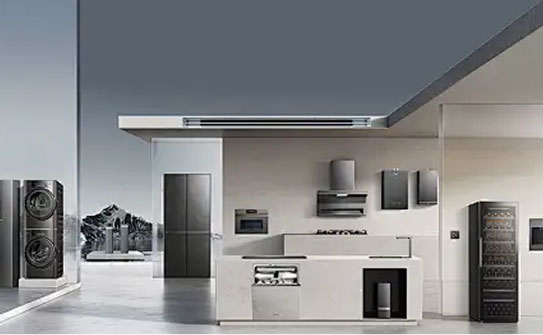
Modern kitchen design is gradually changing traditional layouts such as wall cabinets and corner cabinets, featuring open spaces and incorporating lighting elements. Traditional wall cabinets are becoming less important, and high-rise cabinets with larger storage space have become alternatives.
Currently, the concept of cabinets is extending towards the main room. The so-called main room concept extends without division from room layouts such as bedrooms, living rooms, and study rooms. The layout of cabinets is constantly changing, evolving from the original L-shaped and U-shaped layouts towards the center of the kitchen, breaking through the original form. The cabinet bodies are not placed against any walls, with an island in the center, and water and electricity pipelines running underground. The main room concept gives users greater freedom, making the kitchen full of vitality and energy.
The color tone tends to be steady and elegant
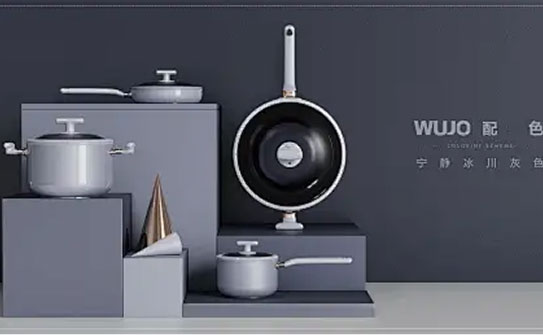
Regardless of how fashion trends evolve, people always yearn for classics that are not easily outdated. The steady and elegant hues of black, gray, and dark coffee will emerge as the popular color tones for cabinets in the next two years. In terms of cabinet colors, the past few years have been dominated by pure colors, with monochromatic high-gloss materials such as white, red, olive green, and vanilla continuing to be popular. However, against the backdrop of monochromatic colors, embellishments with wood grain or natural wood grain will also gain popularity, marking a return to wood grain colors.
Classical-style cabinets are mostly made of solid wood, with frames and door panels hand-carved, and then hand-painted and polished, reflecting an antique style. Modern-style cabinets are also catching up with this trend, with imitation wood-grain cabinets everywhere, creating a warm wooden feel visually, but with a modern and minimalist design, offering a dissonant beauty.